
Weight Loss for Women Over 30: A Real Guide
An honest look at weight loss for women over 30, covering metabolism, muscle, protein, sleep and the realistic expectations that make the process actually work.
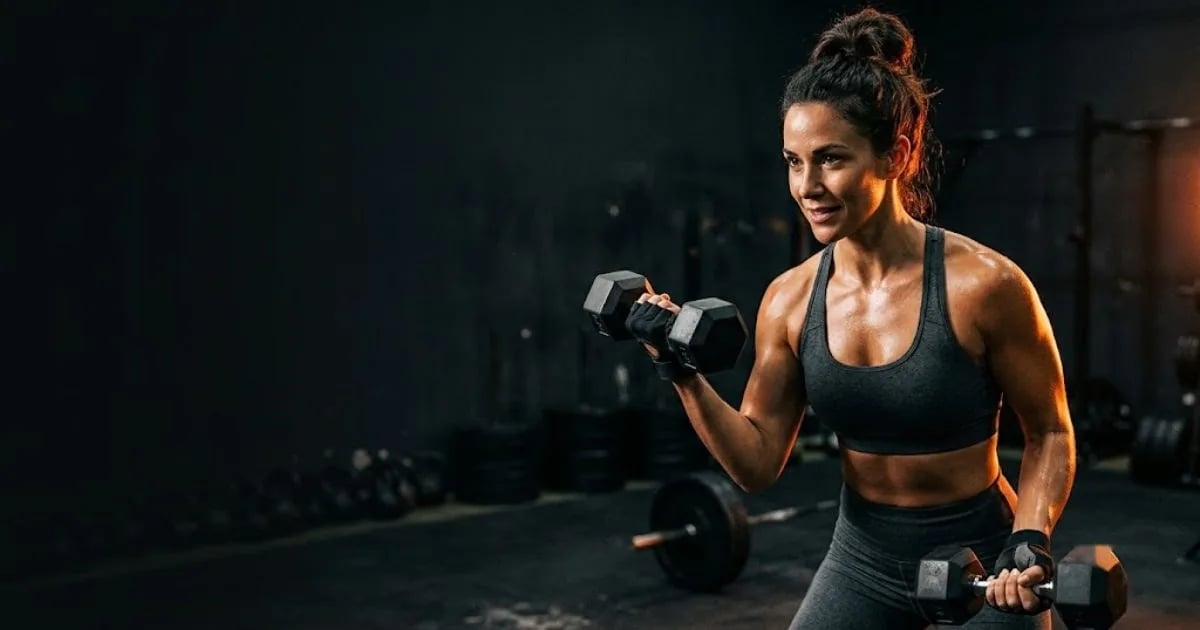
Weight loss for women over 30 is one of the most common goals I hear about, and it comes wrapped in a lot of frustration. Many women tell me the same thing: the approach that worked in their twenties suddenly does not, and the scale barely moves no matter how little they eat. I want to explain what is really going on, because once you understand it, the process becomes far less mysterious and far more doable.
The short version is this: your body has not betrayed you. A few things genuinely shift as you move through your thirties, but they are all things you can work with. In my experience the women who succeed are not the ones who diet hardest, they are the ones who train smart, eat enough protein, sleep well and stay consistent. Let me break it down.
Why weight loss for women over 30 feels harder
There is a real biological reason things change, but it is smaller and more manageable than the internet makes it sound. From your thirties onward, most people gradually lose a little muscle mass if they are not actively training. Muscle is metabolically active tissue, so losing it lowers the number of calories your body burns at rest. On top of that, life gets busier: more career demands, often kids, less sleep and more stress. The metabolism shift is real, but the lifestyle shift is usually the bigger factor.
The good news is that the main lever, muscle, is completely in your control. You can build and protect it at any age, and doing so is the single most effective thing you can do for your metabolism.
Strength training is the foundation
If you take one thing from this article, let it be this: strength training should be at the center of weight loss for women over 30. Lifting weights builds and preserves the muscle that keeps your metabolism higher, reshapes your body so you look leaner even at the same weight, and protects your bones as you age.
Many women worry that lifting will make them bulky. It will not. Building large amounts of muscle is genuinely hard and requires years of dedicated effort and eating. What strength training actually gives you is a firmer, stronger, more capable body. I cover the details of this in my guide to muscle building for women, and it is worth reading if the fear of getting bulky has held you back.
You do not need to live in the gym. Two to four focused strength sessions a week, built around big movements like squats, hinges, presses and rows, is enough to change your body. This is exactly the kind of program I build for the women I coach, and you can see how I work if you want that structure done for you.
Protein: the most underrated tool
Protein does a lot of quiet work in fat loss. It keeps you fuller for longer, which makes a calorie deficit far easier to sustain. It protects your muscle while you lose fat, so the weight you lose comes from the right place. And it costs your body more energy to digest than carbs or fat.
Most women I meet eat far too little of it. A simple target is to include a solid source of protein at every meal: eggs, yogurt, chicken, fish, tofu, legumes or a quality protein powder. When you build meals around protein and vegetables, you often eat fewer calories without feeling like you are dieting at all.
Eating in a moderate deficit
To lose fat you need to eat slightly fewer calories than you burn, but the key word is slightly. The crash diets that felt effective in your twenties tend to backfire now: they cost you muscle, tank your energy, and become impossible to sustain. A moderate deficit is more comfortable, protects your muscle and produces steadier results.
You do not necessarily need to count every calorie forever. Focusing on protein, plenty of vegetables and fiber, sensible portions and fewer heavily processed foods gets most women where they want to go. I go deeper into this approach in my guide on losing weight without deprivation, because how you eat matters as much as how much.
Sleep and stress are not optional
This is the part busy women most often overlook, and it is huge. Poor sleep increases hunger hormones, worsens cravings, and makes it harder to recover from training. Chronic stress does something similar. You can do everything right in the gym and kitchen and still stall if you are running on five hours of sleep and constant pressure.
You will not always control your sleep perfectly, especially with young children, but small improvements help: a consistent bedtime, less screen time late at night, and protecting even a little quiet recovery time. I treat sleep and stress as part of the plan, not an afterthought.
Realistic expectations
Here is the honest part. Sustainable fat loss for most women lands somewhere around a modest amount per week, not the dramatic drops shown in advertisements. Progress is rarely a straight line: the scale bounces around with water, hormones and your cycle. That is completely normal and not a sign of failure.
Judge progress over weeks and months, not days, and look beyond the scale. Are your clothes fitting better? Are you stronger? Do you have more energy? Those signals often move before the number does. The women who reach their goals are the ones who keep going through the flat weeks, and that is exactly where good coaching keeps you on track.
Cardio has a place, but a smaller one
Cardio is not the enemy, and it is not useless either. It is good for your heart, your mood and your general fitness, and it does burn some extra calories. The mistake I see is making cardio the entire plan while neglecting strength. Hours on the treadmill without lifting tends to leave women smaller but soft, tired and no closer to the shape they actually wanted.
Use cardio as a supporting tool, not the main event. A few brisk walks each week, some easy movement you enjoy, or a couple of short conditioning sessions are plenty alongside your strength work. Walking in particular is underrated: it burns calories, manages stress and is easy to recover from, which makes it a perfect companion to lifting. Build your plan around strength, then add the cardio you enjoy on top.
Hormones, your cycle and being kind to yourself
Your body is not a machine that responds identically every day, and that is especially true across the menstrual cycle. Water retention, appetite and energy all shift through the month, and the scale will reflect that even when your fat loss is progressing perfectly. Understanding this saves you a lot of unnecessary panic. A jump on the scale before your period is water, not fat, and it passes.
Some weeks you will feel strong and energetic, and others you will feel flat. Train hard when you feel good, and be willing to ease off when your body clearly needs it. Working with your body rather than fighting it is one of the quiet skills that separates women who reach their goals from those who burn out. Progress is built over months, and a few softer days change nothing about the bigger picture.
Putting it together
Weight loss for women over 30 is not about punishing yourself. It is about building muscle with strength training, eating enough protein in a moderate deficit, sleeping well, managing stress and staying patient. Do those things consistently and your body will respond. It is not the fastest story, but it is the one that lasts, and that is the only kind worth building.
The best results come from a plan built around your life - your goals, your schedule and where you are starting from. I coach women and men in Düsseldorf and online, and I help them build habits that last. If you want a plan made specifically for you, see how I work and get in touch.
FAQ
- Why is it harder to lose weight after 30?
- Two things usually combine. From your thirties you gradually lose muscle if you are not training, which lowers the calories you burn at rest, and life often gets busier with more stress and less sleep. Both are manageable, and strength training directly addresses the muscle side, which is the biggest lever.
- Will lifting weights make me bulky?
- No. Building large amounts of muscle takes years of dedicated effort and eating. For most women, strength training produces a firmer, stronger, leaner-looking body while protecting the metabolism and bones. It is one of the most effective tools for fat loss, not a risk to avoid.
- How much protein should a woman over 30 eat to lose fat?
- A practical approach is to include a solid source of protein at every meal, such as eggs, yogurt, chicken, fish, tofu or legumes. Protein keeps you fuller, protects muscle during a deficit and costs more energy to digest, which makes it one of the most useful tools for sustainable fat loss.
- How fast should I expect to lose weight?
- Sustainable fat loss for most women is a modest amount per week, and progress is rarely a straight line because water, hormones and your cycle move the scale around. Judge results over weeks and months, and watch other signals like strength, energy and how your clothes fit.