
Nutrition for Weight Loss Without Deprivation
How to approach nutrition for weight loss without deprivation, using a moderate deficit, protein, fiber and sustainable habits instead of extreme dieting.
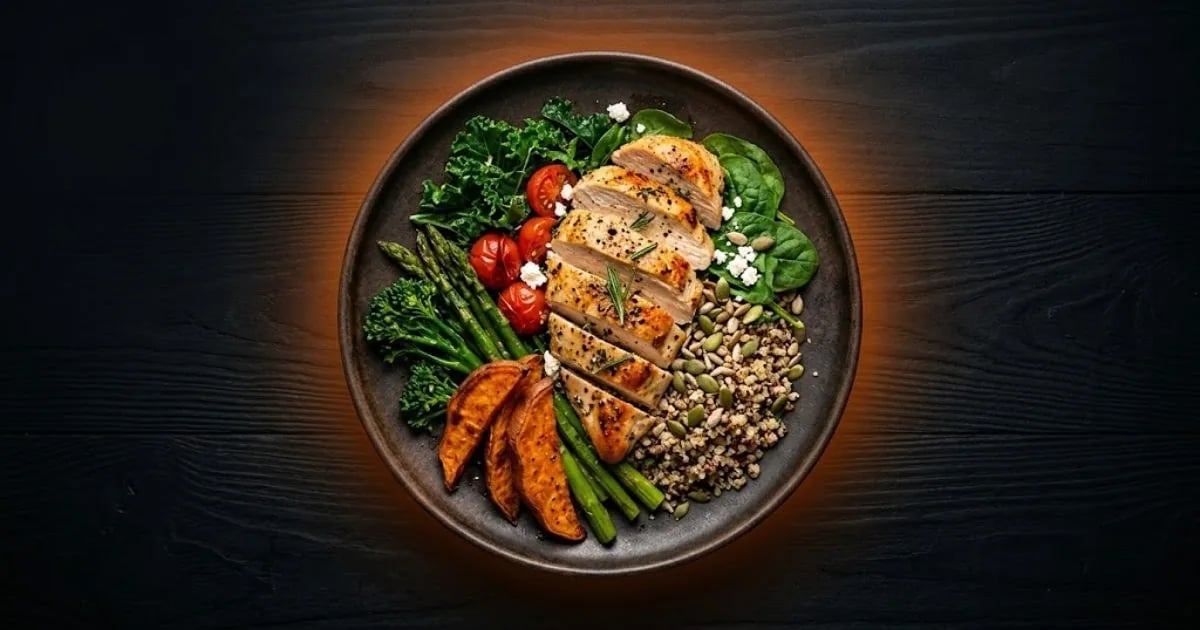
Nutrition for weight loss without deprivation is not a contradiction, even though the diet industry has trained us to believe otherwise. Most people think losing weight means being hungry, cutting out everything they love, and white-knuckling their way through a miserable few weeks before giving up. In my experience, that approach is exactly why so many diets fail. The way of eating that actually works is one you can enjoy and sustain, and that is what I want to show you here.
I have helped many people lose weight without turning their lives upside down, and the pattern is always the same: moderate changes, done consistently, beat extreme changes done briefly. Let me walk you through how to eat for fat loss in a way that feels livable.
Why deprivation backfires
The core problem with extreme diets is that they are impossible to sustain. When you slash your calories to nothing and cut out entire food groups, a few things happen. You feel constantly hungry and tired, your cravings intensify, and eventually your willpower runs out. Then comes the rebound: you overeat, regain the weight, and blame yourself. The cycle repeats and each round chips away at your confidence.
The solution is not more discipline. It is a smarter, gentler approach that keeps you fed, satisfied and consistent. Weight loss that lasts comes from habits you can keep, not heroics you cannot.
A moderate deficit is the foundation
To lose fat, you do need to eat slightly fewer calories than you burn. That part is simple physiology. But the size of the deficit matters enormously. A small, moderate deficit lets you lose fat steadily while still eating enough to feel good, train hard and protect your muscle. An aggressive deficit does the opposite: it costs you muscle, drains your energy and becomes impossible to maintain.
Think of it as easing your foot onto the brake rather than slamming it. You will lose weight a little more slowly, but you will actually keep going, and you will keep the results. This is the same principle I explain in my guide to weight loss for women over 30, because a moderate approach is what makes fat loss sustainable at any age.
Protein keeps you full and protects muscle
If there is one nutrient that makes weight loss easier, it is protein. It is the most filling of all the nutrients, so it keeps hunger under control and makes a deficit far more comfortable. It also protects your muscle while you lose fat, which means the weight you lose comes from the right place and your metabolism stays strong.
Build every meal around a solid protein source: eggs, yogurt, chicken, fish, lean meat, tofu, beans or lentils. When protein anchors your plate, you naturally feel more satisfied on fewer calories, without ever having to think about being hungry. Most people I coach are surprised at how much less they snack once they simply eat more protein.
Fiber and volume: eating more, not less
Here is a trick that feels almost too good to be true. Foods high in fiber and water let you eat a large, satisfying volume of food for relatively few calories. Vegetables, fruits, legumes and whole grains fill your plate and your stomach while keeping calories moderate.
- Load up on vegetables: they add volume, nutrients and fiber for almost no calories.
- Choose whole foods: whole grains, fruit and legumes keep you full for longer.
- Fill half your plate with vegetables: a simple habit that makes portions feel generous.
When your meals are built from protein and fiber-rich foods, you rarely feel deprived, because you are literally eating more food, just food that works with your goal rather than against it.
No foods are truly off-limits
This is the part people find most freeing. You do not have to ban chocolate, bread, pasta or the foods you love. Total restriction almost always leads to bingeing later. Instead, I teach a balanced approach: build the majority of your diet from nutritious whole foods, and leave room for the treats you enjoy in sensible amounts.
A square of chocolate after dinner or a slice of your favorite cake at a celebration will not undo your progress. What undoes progress is the all-or-nothing thinking that says one treat has ruined everything, so you may as well give up. Fitting your favorite foods into an otherwise good diet is what makes the whole thing sustainable. If you would like help building a way of eating that fits your real life, you can see how I work and we can shape it together.
Simple habits that do the heavy lifting
You do not need to track every calorie forever. For most people, a handful of consistent habits get the job done.
- Protein at every meal: the single most useful habit for fat loss.
- Plenty of vegetables: volume and fullness for very few calories.
- Mostly whole foods: less heavily processed food means fewer easy-to-overeat calories.
- Mind your drinks: liquid calories from sugary drinks and alcohol add up fast and do not fill you.
- Eat slowly and notice fullness: it takes time for your body to register that you have eaten enough.
These habits are quiet but powerful. Done consistently, they create the moderate deficit you need without any dramatic dieting at all.
Planning and preparation make it easy
Most poor food choices are made when you are hungry, tired and unprepared. The single most powerful thing you can do is remove those moments of friction by planning ahead. This is not about elaborate meal prep, it is about never being caught with no good option in front of you.
- Keep quick protein on hand: yogurt, eggs, tinned fish or pre-cooked chicken make a good meal easy.
- Prep a little in advance: cook some grains, chop some vegetables, or batch a simple meal so healthy eating is the easy default.
- Have a plan for busy days: know your go-to quick meals so a hectic evening does not end in takeaway by default.
When the healthy choice is the convenient choice, you rely far less on willpower. That is the whole game: designing your environment so that eating well is easy rather than a constant battle.
Eating out and social life
A sustainable approach has to survive real life, which includes restaurants, dinners with friends and celebrations. You do not need to hide at home to lose weight. With a few simple habits, you can enjoy eating out without derailing your progress. Look for a meal built around protein and vegetables, be a little mindful of extras like bread baskets and sugary drinks, and enjoy what you order without guilt.
One meal never makes or breaks your results, just as one workout never does. What matters is the overall pattern across the weeks. When you know that, social eating stops being a source of anxiety and becomes just another part of a balanced life. This flexibility is exactly what makes an approach last for years rather than weeks.
Patience and consistency win
Sustainable weight loss is a modest, steady process, and that is a feature, not a flaw. The slower path is the one you can actually stay on. Progress will not be perfectly linear, and that is normal. What matters is the trend over weeks and months, not the number on any single day. Eat enough, prioritize protein and vegetables, leave room for the foods you love, and stay consistent. That is how you lose weight without deprivation and keep it off for good.
The best results come from a plan built around your life - your goals, your schedule and where you are starting from. I coach women and men in Düsseldorf and online, and I help them build habits that last. If you want a plan made specifically for you, see how I work and get in touch.
FAQ
- Can I lose weight without cutting out my favorite foods?
- Yes. Total restriction usually leads to bingeing later. Build most of your diet from nutritious whole foods and leave room for treats in sensible amounts. A square of chocolate or a slice of cake at a celebration will not undo your progress, and keeping those foods in makes the whole approach sustainable.
- How big should my calorie deficit be to lose fat?
- A small, moderate deficit is best. It lets you lose fat steadily while eating enough to feel good, train hard and protect your muscle. An aggressive deficit costs you muscle, drains your energy and becomes impossible to maintain, which is why extreme diets usually rebound.
- Why is protein so important for weight loss?
- Protein is the most filling nutrient, so it keeps hunger under control and makes a calorie deficit far more comfortable. It also protects your muscle while you lose fat, so the weight you lose comes from the right place and your metabolism stays strong. Build every meal around a protein source.
- Do I have to count calories to lose weight?
- Not necessarily. For most people, a few consistent habits do the job: protein at every meal, plenty of vegetables, mostly whole foods, watching liquid calories, and eating slowly. These naturally create a moderate deficit without the stress of tracking every calorie forever.