
How to Choose a Personal Trainer in Düsseldorf
A practical, honest guide to choosing a personal trainer in Düsseldorf: what actually matters, the questions to ask, and how to decide between in-person and online coaching.
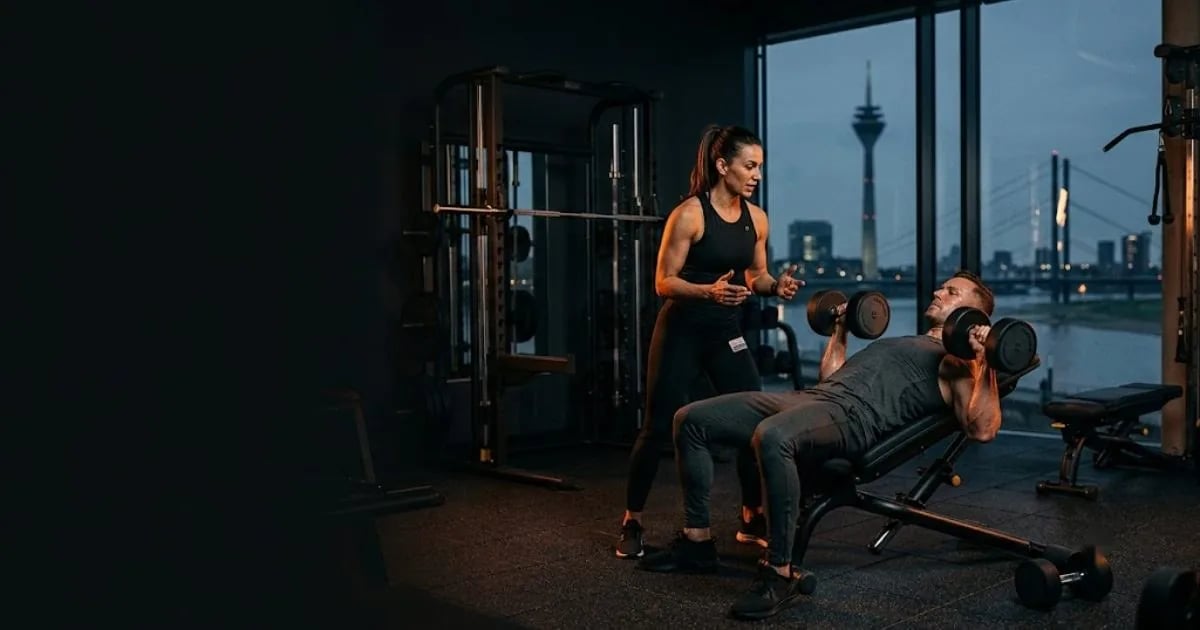
Choosing the right personal trainer in Düsseldorf is one of the most important decisions you will make on your fitness journey, and it is easy to get it wrong. There are a lot of coaches out there, a lot of loud marketing, and a lot of promises that sound too good to be true. As a personal trainer working in Düsseldorf and online, I want to give you an honest guide to how to choose well, because the right fit changes everything and the wrong one wastes months.
In my work I meet many people who tried training before, did not enjoy it, and quietly blamed themselves. Often the real problem was a poor match: a coach who did not listen, a program that ignored their life, or a plan that was never built for a real beginner. Let me walk you through what actually matters so you can make a confident choice.
What a good personal trainer in Düsseldorf actually does
A good personal trainer does far more than count your reps. My job is to understand your goals, assess where you are starting from, design a plan that fits your body and your week, teach you technique so you train safely, and keep you accountable when motivation dips. The exercises matter, but the coaching around them matters more.
The best coaches also adjust. Your life changes, your schedule shifts, an old injury flares up. A trainer who blindly follows a fixed template is not really coaching you. I treat every plan as a living thing that we adapt together as we learn what works for your body.
Qualifications and experience to look for
You do not need to memorize a list of certificates, but you should expect a real foundation. Ask about a trainer's education, their certifications, and how long they have worked with people like you.
- Relevant qualifications: a recognized personal training or fitness qualification is the baseline, not a bonus.
- Experience with your goal: a coach who specializes in weight loss, strength and training for women will serve you better than a generalist if that is what you want.
- A clear process: good trainers can explain how they assess you and why they program the way they do.
- Continued learning: the field moves, and the best coaches keep studying.
Specialization matters. In my own work I focus on weight loss, muscle building, strength and functional training, with a lot of experience training women and helping people build habits that actually last. If your goal lines up with a coach's focus, you are already ahead.
Personality and communication
This is the part people underestimate. You will spend real time with this person, often when you are tired, sore or frustrated. If you dread the sessions, you will not stick with them. A trainer should make you feel capable, not judged.
Pay attention to how a coach communicates before you ever train together. Do they listen to your history and your worries? Do they explain things in plain language? Do they respect your starting point instead of pushing you into something that feels reckless? In my sessions I want people to leave feeling stronger and clearer, not embarrassed. If you want to get a sense of how I approach this, you can see how I work and reach out with any questions.
In-person training in Düsseldorf
Training in person has clear strengths. I can watch your technique in real time, make small corrections that prevent injury, and adjust the load on the spot. For complete beginners, or anyone who feels nervous about the gym, that hands-on guidance builds confidence quickly.
In-person coaching also brings a certain accountability that is hard to fake. When you have a set time and a coach waiting, you show up. The face-to-face energy of a session pushes many people harder than they would push alone. If you live in or near Düsseldorf and value that direct feedback, in-person training is a strong choice.
Online coaching and how it compares
Online personal training has grown enormously, and for good reason. It gives you a professional plan, technique feedback through video, and ongoing support, all around your own schedule. For busy people, parents, or anyone who travels, it removes the biggest barrier: getting to a fixed appointment.
Online coaching is not a watered-down version of the real thing. Done well, it is structured, personal and demanding in the best way. I coach clients online across different cities and countries, and many get results just as strong as my in-person clients. If you want the full picture of how remote coaching works day to day, I explain it in detail in my guide on how online personal training works.
Questions to ask before you commit
Before you sign up with anyone, have a real conversation. A good trainer will welcome your questions. Here are the ones I would ask.
- How do you assess a new client? Look for a proper starting conversation about goals, health and history.
- How will the plan fit my schedule and experience? The plan should bend to your life, not the other way around.
- How do you track progress? There should be a clear way to see whether things are working.
- What happens if I have an injury or a bad week? Adaptability is a sign of a mature coach.
- What does support look like between sessions? Especially important for online coaching.
Red flags to avoid
Some warning signs are worth taking seriously. Be cautious of anyone who promises dramatic results in an unrealistically short time, sells a single extreme approach as the only truth, ignores your injuries or medical history, or makes you feel small for being a beginner. Fitness is a long game, and honest coaches tell you that. I would rather promise you a sustainable process than a fantasy timeline.
How the first few sessions should feel
The early sessions with a new trainer tell you a lot. A good coach spends the first meeting understanding you rather than showing off. Expect questions about your goals, your history, any pain or old injuries, and your daily routine. Expect to be taught, not just tested. You should leave feeling clearer about the plan and more confident about the next step, even if your muscles are tired.
If instead you are thrown straight into a punishing session with no explanation, or made to feel that your questions are a nuisance, that is a signal. Coaching is a relationship, and the tone is set early. I always want a new client to feel welcomed and understood before we push hard, because trust is what makes the harder work possible later. Give any new trainer a few sessions, then honestly ask yourself whether you feel supported and whether the plan makes sense for your life.
Cost, value and commitment
Price matters, but value matters more. The cheapest option is not a bargain if the coaching is generic, and the most expensive is not automatically the best. What you are really paying for is expertise, a plan built for you, and the accountability that keeps you consistent when motivation fades. Think about what reaching your goal is worth to you, and choose a coach whose approach and communication justify the investment. A good trainer saves you months of trial and error, and that is where the real value lies.
Making your decision
When you weigh everything up, trust the combination of competence and connection. A trainer should be qualified, experienced with your goal, and someone you genuinely feel comfortable working with. Whether you choose in-person sessions in Düsseldorf or online coaching, the right fit will make training something you look forward to rather than dread. Take your time, ask your questions, and choose the coach who treats your goals as seriously as you do.
The best results come from a plan built around your life - your goals, your schedule and where you are starting from. I coach women and men in Düsseldorf and online, and I help them build habits that last. If you want a plan made specifically for you, see how I work and get in touch.
FAQ
- Should I choose in-person or online personal training in Düsseldorf?
- It depends on your needs. In-person is ideal if you want hands-on technique correction and the accountability of a fixed appointment, especially as a beginner. Online works well if you have a busy or unpredictable schedule and still want a personal, structured plan with regular feedback.
- What qualifications should a personal trainer have?
- Look for a recognized personal training or fitness qualification as a minimum, plus real experience with your specific goal, whether that is weight loss, muscle building or strength. Just as important, a good coach can clearly explain how they assess you and why they program the way they do.
- How do I know if a trainer is the right fit for me?
- Beyond qualifications, notice how they communicate. A good trainer listens to your history, respects your starting point, explains things in plain language and makes you feel capable rather than judged. If you dread the sessions, the fit is wrong, no matter how skilled the coach is.
- How long before I see results with a personal trainer?
- It varies with your goal and starting point, but strength and energy often improve within the first few weeks, while visible body changes usually take a couple of months of consistent training and nutrition. Be wary of any coach promising dramatic results in an unrealistically short time.