
Functional Training at Home: A Simple Guide
A practical guide to functional training at home using bodyweight and minimal equipment, including a sample plan you can start today.
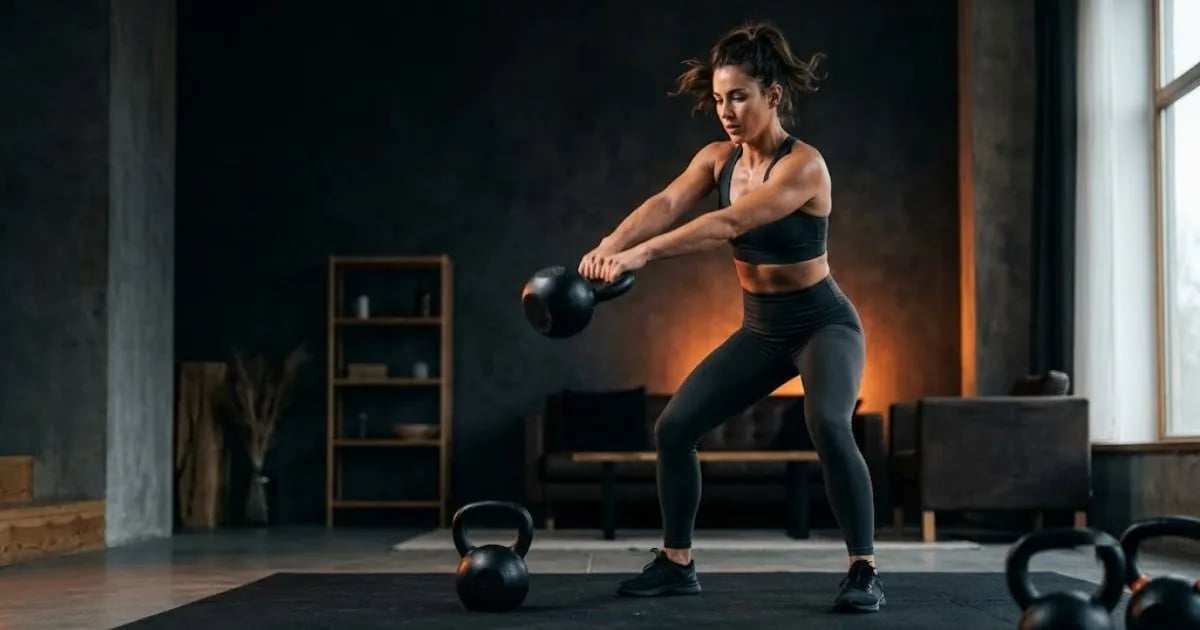
Functional training at home is one of the most accessible and useful ways to get fit, and it needs almost nothing to start. No gym membership, no room full of machines, just your body, a little space and a bit of consistency. As a trainer who coaches people both in Düsseldorf and online, I love functional training because it builds strength you actually use in real life, and it fits into the busiest schedules.
In this guide I will explain what functional training really means, which exercises to use with minimal equipment, and a simple sample plan you can start today. Whether you are short on time, new to training, or just prefer working out at home, this is a genuinely effective way to build a strong, capable body.
What functional training at home actually means
Functional training focuses on movements that carry over into everyday life. Instead of isolating one muscle at a time on a machine, it trains your body to work as a coordinated whole: pushing, pulling, squatting, hinging, carrying and rotating. These are the patterns you use when you lift a child, carry shopping, climb stairs or get up off the floor.
The beauty of this approach is that it makes daily life easier, not just your workouts. You build strength, balance, coordination and mobility together. And because functional training relies on movement patterns rather than fancy equipment, it is perfectly suited to the home. I explain the broader idea of training that transfers to real life throughout my work, and it is a theme I keep returning to with the people I coach.
The movement patterns to cover
A complete functional routine trains a handful of basic human movement patterns. Cover these and you train your whole body in a balanced way.
- Squat: bodyweight squats work your legs and glutes.
- Hinge: movements like hip bridges and single-leg hinges train the back of your body.
- Push: push-ups in any form train your chest, shoulders and arms.
- Pull: rows using a resistance band or a sturdy anchor train your back.
- Core and rotation: planks, dead bugs and carries build a strong, stable trunk.
- Locomotion: lunges, step-ups and moving drills train balance and coordination.
Minimal equipment that goes a long way
You can do a lot with just your bodyweight, but a few cheap items expand your options enormously and let you keep progressing.
- Resistance bands: light, affordable and brilliant for rows, pulls and adding resistance to almost anything.
- A pair of dumbbells or kettlebells: even one moderate set opens up loaded squats, hinges, presses and carries.
- A sturdy chair or step: perfect for step-ups, split squats and incline push-ups.
None of this is essential to begin. Bodyweight alone is enough for your first weeks, and you can add equipment as you progress. If you would like a plan built around exactly the space and equipment you have, you can see how I work and I will tailor it to your setup.
A sample functional home workout
Here is a simple full-body session you can do in a small space with no more than a resistance band. Move through it as a circuit, doing each exercise in turn, then resting and repeating.
The circuit
- Bodyweight squats: 12 to 15 reps.
- Push-ups: 8 to 12 reps, on your knees or against a raised surface if needed.
- Hip bridges: 15 reps, squeezing your glutes at the top.
- Band rows: 12 to 15 reps, pulling the band toward you with control.
- Reverse lunges: 10 reps per leg.
- Plank: hold for 20 to 40 seconds.
Rest for a minute after completing the circuit, then repeat it two to four times depending on your fitness. Warm up first with a few minutes of easy movement. This single session trains your whole body and takes as little as twenty to thirty minutes.
How to progress at home
The most common worry about home training is that you will stop progressing without heavy weights. You will not, as long as you keep challenging yourself. Progression at home looks a little different but works just as well.
- Add reps or rounds: gradually do more over the weeks.
- Slow the tempo: lowering slowly under control makes any exercise harder.
- Make movements harder: progress from knee push-ups to full ones, or to single-leg variations.
- Add resistance: bring in bands or dumbbells as you get stronger.
These simple levers let you keep building strength for a long time from home. The principle is the same as in any good program: keep asking your body to do a little more.
Who functional training at home suits
Honestly, almost everyone. It is ideal for busy parents and professionals who cannot always get to a gym, for beginners who feel more comfortable starting at home, and for anyone who travels. It also pairs perfectly with a busy life. If your days are full of work and family, short and effective home sessions are often the most realistic way to stay consistent, which is exactly what I explore in my guide on staying active with work and kids.
Functional training versus machine workouts
People sometimes ask whether home functional training can really compare to a gym full of machines. For most goals, it holds up extremely well, and in some ways it is better. Machines guide your movement along a fixed path, which is useful for isolating a muscle but does little to train balance, coordination and the stabilizing muscles that hold you together in real life.
Functional training does the opposite. Because you control the movement through space, your body learns to stabilize, coordinate and produce force the way it must outside the gym. That is why so many everyday improvements, from carrying your kids to climbing stairs without getting winded, come more readily from functional work. Machines have their place for building specific muscle, but for practical, transferable fitness at home, movement-based training is hard to beat.
Building a weekly home routine
To turn single sessions into real progress, give your week a light structure. You do not need anything complicated. Aim for three sessions across the week, spaced with a rest day where you can, so your body has time to recover and adapt.
- Session one: a full-body circuit like the one above.
- Session two: the same circuit with slightly more reps or an added round.
- Session three: a slightly different circuit, perhaps leaning more on lower body or core, to keep things varied.
On the other days, stay lightly active with a walk or some easy movement. This simple rhythm is enough to build noticeable strength and fitness over a couple of months, and it flexes easily around a full schedule. The structure keeps you progressing without demanding that you plan every detail yourself.
Making it stick
The best home workout is the one you actually do. Keep it simple, keep your equipment where you can see it, and schedule your sessions like any other appointment. A short, consistent routine beats an ambitious plan you abandon after a week. Functional training at home gives you real strength, better movement and more energy for daily life, all without leaving your living room. Start with the sample circuit above, stay consistent, and build from there.
The best results come from a plan built around your life - your goals, your schedule and where you are starting from. I coach women and men in Düsseldorf and online, and I help them build habits that last. If you want a plan made specifically for you, see how I work and get in touch.
FAQ
- Can I really get strong with functional training at home?
- Yes. Functional training builds real, usable strength through movement patterns like squatting, pushing, pulling and hinging, and you can progress by adding reps, slowing the tempo, using harder variations or adding bands and dumbbells. Consistency matters far more than having a full gym.
- What equipment do I need for functional training at home?
- You can start with just your bodyweight. A resistance band, a pair of dumbbells or kettlebells, and a sturdy chair or step expand your options a lot and let you keep progressing, but none of it is essential to begin. Add equipment gradually as you get stronger.
- How long should a functional home workout be?
- As little as twenty to thirty minutes is enough for an effective full-body session. A simple circuit of squats, push-ups, hip bridges, rows, lunges and a plank, repeated two to four times, trains your whole body and fits easily into a busy day.
- Is functional training good for beginners?
- It is excellent for beginners. It teaches your body to move well as a coordinated whole, builds strength, balance and mobility together, and lets you start at home where many beginners feel more comfortable. You can scale every exercise up or down to match your current level.